If you could drop into present-day Nassau County on July 4, 1776, you would technically be standing in Queens County which, at the time, stretched east from what is now New York City into much of western Long Island. Nassau County wouldn’t be created for another 123 years, in 1899.
But Nassau County as we know it was very much here.
There were farms and mills, churches and taverns. There were established communities connected by rough roads rather than parkways. Hempstead and Oyster Bay were already more than a century old. People fished the Sound and the South Shore, farmed the land in between, traveling by horse, wagon and boat. And then a revolution arrived.
So, what exactly was the present-day Nassau County like when the United States declared its independence?
First Things First: It Was Much More Rural
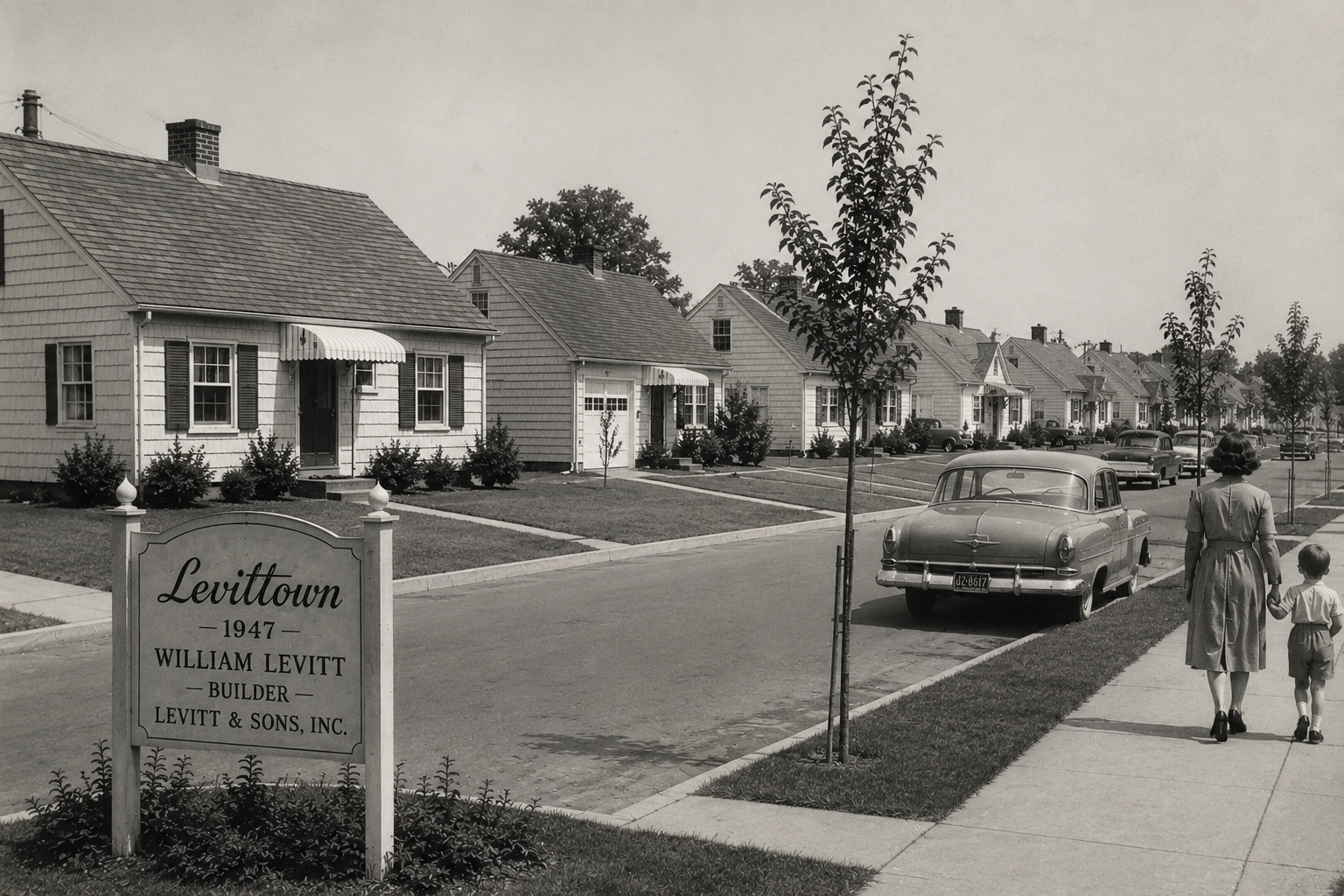
During the Revolution, the endless grid of suburban streets that would eventually make Nassau one of America’s quintessential suburbs was still generations away. Instead, the landscape was dominated by farms, woodlands, wetlands and open plains, plus small settlements. And the large, treeless Hempstead Plains stretched across the center of the island.
The communities that existed weren’t New York City “suburbs” in the modern sense. They were towns, villages and hamlets with their own unique economies. Hempstead had been settled by Europeans in the 1640s. Oyster Bay had taken shape in the 17th century. Other communities grew around harbors, crossroads, mills, churches and farms.
And long before any of those settlements existed, this land was home to Indigenous peoples, including Lenape-speaking communities such as the Matinecock and Massapequa, whose histories here predate European colonization by thousands of years.
Oyster Bay Was Already Oyster Bay
Some local place names have survived an extraordinary amount of history. Oyster Bay is one of them.
By the Revolutionary era, the community was well established as a maritime and agricultural settlement. Its protected harbor made the area naturally connected to fishing, trade and travel. And during the Revolution, Oyster Bay found itself in a particularly uncomfortable position.
After the British captured New York City and gained control of Long Island in 1776, British and Hessian troops occupied communities across the island. Homes were requisitioned. Supplies were taken. Troops were quartered among residents.
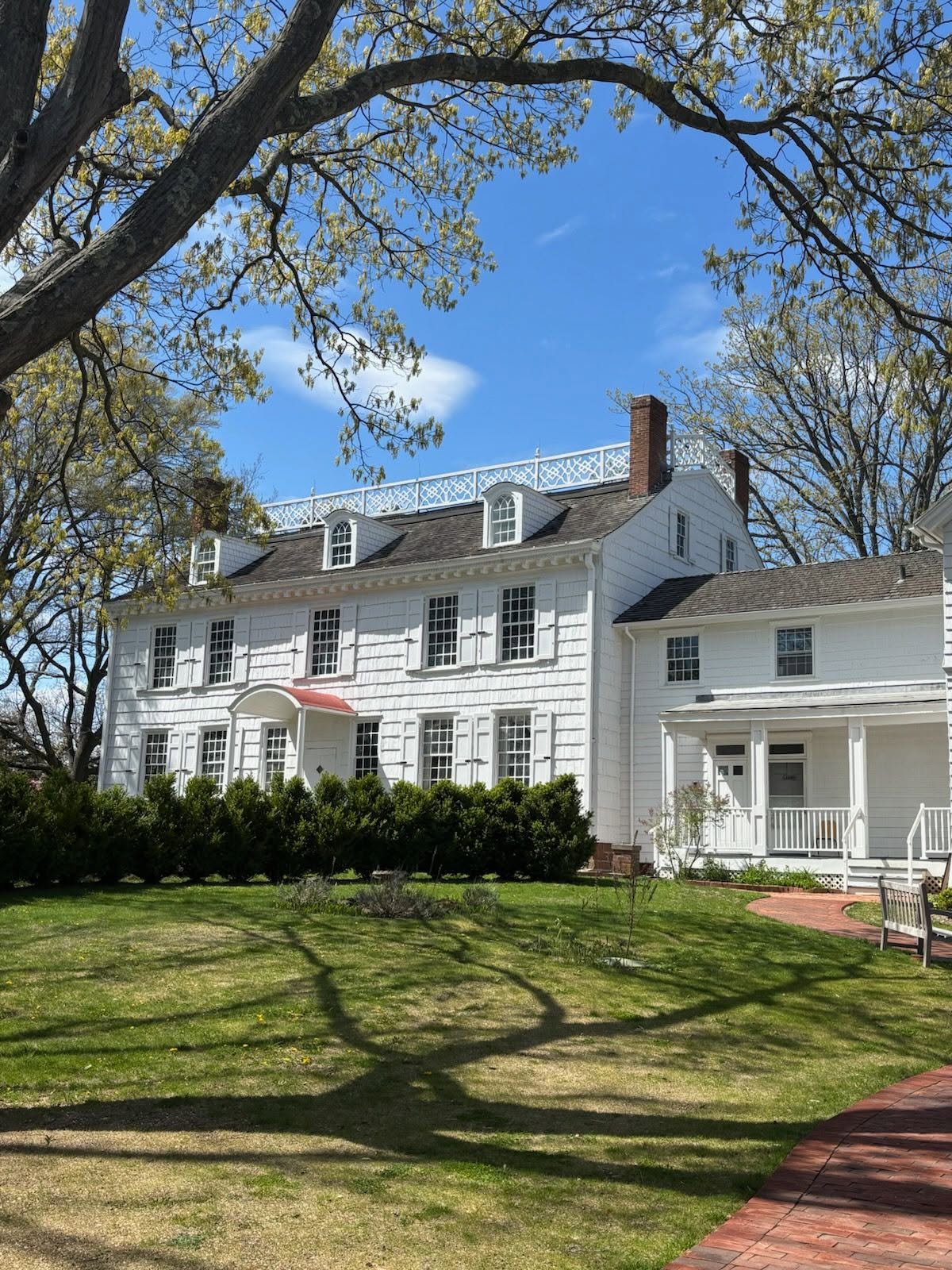
One of the best-known reminders of that period is Raynham Hall Museum. George Washington needed reliable intelligence about British activity in occupied New York. The result was the Culper Spy Ring, a network that carried information from New York City across Long Island and eventually to Washington’s headquarters. Robert Townsend of Oyster Bay was one of its central figures.
Working under the alias “Samuel Culper Jr.,” Townsend gathered intelligence in British-controlled New York. Messages moved through an elaborate network of couriers and contacts, with techniques that included coded language and invisible ink.
The Culper network helped provide Washington with valuable intelligence about British plans and activities, and its members maintained remarkable secrecy. Townsend’s role was not publicly confirmed until well over a century after the war.
Today, his family home at Raynham Hall gives visitors the rare chance to stand in a place directly connected to that story.
Hempstead Was Already a Major Center of Life
Hempstead was hardly a new settlement when the Declaration of Independence was signed. Founded more than 130 years earlier, it was already one of Long Island’s established communities. The broader town encompassed a huge area, with agriculture playing a central role in everyday life.
Long Island came under British control after the Battle of Long Island in the summer of 1776 and remained occupied for most of the war. Residents had to navigate military rule, shortages and divided political loyalties. And those loyalties were divided. Across Long Island, neighbors and even families could find themselves on opposite sides of the conflict. Some supported independence. Others remained loyal to the Crown. Still others were primarily concerned with protecting their families, farms and livelihoods.
There Were No Gold Coast Mansions (Yet)
The North Shore we associate with sprawling estates, Gatsby-era glamour and elaborate mansions belonged to a much later chapter of Nassau County history. In 1776, No Guggenheim Estate at Sands Point. No Woolworth estate. No Gold Coast as we know it. But the geography that would eventually attract America’s wealthiest families was already here: sheltered harbors, wooded hills and sweeping views across Long Island Sound.
Some substantial colonial homes did exist, and a remarkable number of historic structures from the broader colonial and Revolutionary era survive throughout Nassau County today. Besides Raynham Hall, there was Rock Hall in Lawrence, built in 1767 for Josiah Martin, a wealthy Antigua plantation owner. The Georgian house was actually occupied by Patriot forces during the winter of 1776. In Port Washington, Sands-Willets House’s oldest wing dates to about 1735. Seven Sands brothers who were born there served in the American Revolution; John Sands IV fought with Washington’s army at the Battle of Brooklyn. The much larger Greek Revival portion visitors see today was added in 1850.
READ MORE: Explore Nassau County History Hidden in Plain Sight
July 4, 1776 Didn’t Mean Independence Arrived Here on July 5
The Declaration of Independence may have been adopted in July 1776, but independence was nowhere near settled, especially on Long Island. Just weeks later, the Battle of Long Island became the first major battle fought after the Declaration and one of the largest engagements of the Revolutionary War. Washington’s forces were defeated, and the British established control over New York City and Long Island.
For communities in what is now Nassau County, British occupation would be the reality for years. The people living here weren’t watching the Revolution unfold from hundreds of miles away. They were living on occupied ground while the outcome remained uncertain.
Then, even after the Revolution ended, another century would pass before Nassau County appeared on the map. For much of the 19th century, present-day Nassau remained part of Queens County. But as western Queens became increasingly urbanized and New York City moved toward consolidation, communities farther east followed a different path. When Greater New York City was created in 1898, the western portion of Queens joined the new city, but the eastern towns didn’t. In 1899, they became part of the newly formed Nassau County.
The name “Nassau” itself is a reference to the House of Nassau and William III of England, who was from the House of Orange-Nassau. So the county that feels firmly established today is, historically speaking, relatively young, though the communities inside it are much older.
250 Years Later, Look Again
That may be one of the best reasons to explore Nassau County during America’s 250th anniversary. Once you know what to look for, the familiar landscape changes.
Oyster Bay isn’t just a waterfront town – it’s a place where British officers once occupied a home belonging to the family of one of Washington’s spies. Likewise, Hempstead isn’t just one of Nassau County’s busiest communities; its roots stretch back more than a century before the Revolution. Roads that now carry commuters trace a landscape once crossed by farmers, soldiers, messengers and spies.
And beneath the Nassau County we know – the beaches and downtowns, parkways and restaurants, concert venues and suburban neighborhoods – is another place entirely, that was here before Nassau County had a name.
This America250, there’s more history to explore in Nassau County, including the places that were here before America itself.