Source: Preservation Long Island
When people think about Nassau County’s history, Gilded Era estates and Gold Coast mansions typically come to mind. But just beyond those gates there’s another powerful story anchored in freedom, resilience, and community building – the story of enslaved individuals and African American residents in Nassau County.
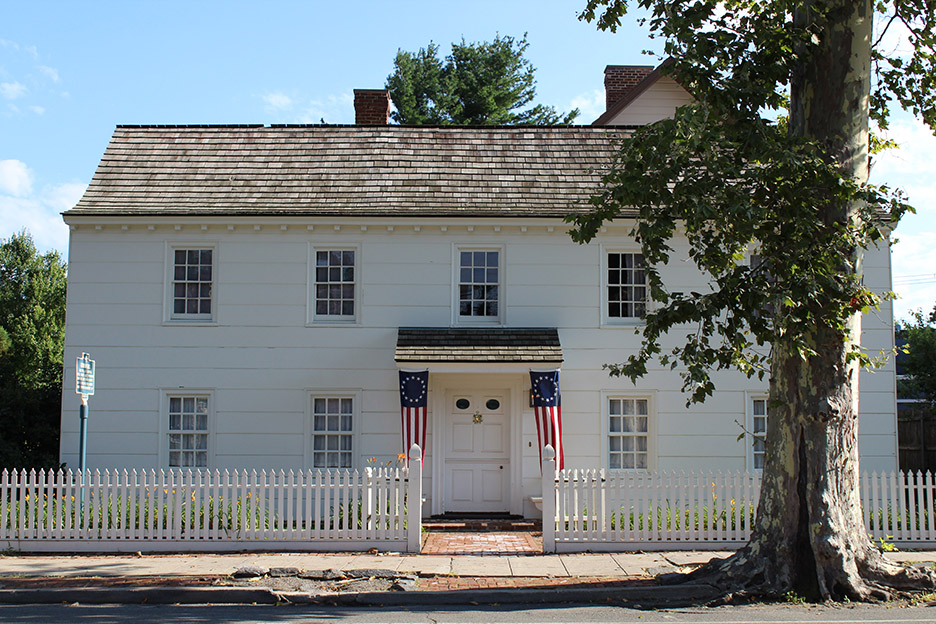
In Manhasset, the Valley Road Historic District preserves one of the most significant African American heritage sites on Long Island. Here, formerly enslaved people and free Black families established a thriving community in the decades following New York’s gradual abolition of slavery, which officially ended in the state in 1827. Today, the district offers a glimpse into how African American residents shaped Nassau County long before the suburban era – building churches, homes, and institutions that sustained generations.
A Freedom Community Takes Root
Following emancipation in New York, many formerly enslaved individuals sought places where they could establish independent lives and communities. Along Valley Road in Manhasset, a small but vibrant settlement emerged.
Freed African Americans purchased land, built homes, and established a community that endured well into the 19th and early 20th centuries. Over time, the neighborhood became a center of Black life in the region, where families could work, worship, and raise children together.
At the heart of the district is Lakeville A.M.E. Zion Church, one of Nassau County’s oldest African American congregations. The church served not only as a religious center but also as a social and civic anchor for the community. Its adjoining cemetery holds generations of residents whose lives trace the arc of African American history on Long Island.
Abolition and the Long Fight for Freedom
The story of Valley Road also reflects the broader struggle for freedom in New York. Although slavery was less widespread on Long Island than in the plantation South, enslaved labor was part of everyday life in the colonial period. Many households held enslaved workers, and the transition to freedom after the Revolutionary War and the abolition laws of the late 18th and early 19th centuries reshaped communities across the region.
African American residents, free and formerly enslaved, built networks that supported education, faith, and economic opportunity. Churches like A.M.E. Zion congregations were often closely tied to the abolitionist movement and served as centers for organizing and mutual support. These institutions helped sustain communities even as African Americans faced discrimination, limited economic opportunities, and the uncertainties of a changing society.
A Community in the Shadow of Mansions
What makes the Valley Road story particularly striking is its geography. Just a short distance away, the North Shore would later become known as the Gold Coast, where some of the wealthiest families in America built sprawling estates and mansions in the late 19th and early 20th centuries.
While industrialists constructed elaborate homes overlooking Long Island Sound, the Valley Road community continued its quieter legacy, maintaining homes and gardens and attending church, while preserving traditions rooted in resilience and faith. The contrast reflects a fuller picture of Nassau County’s past: wealth and power on one side, perseverance and community on the other.
Preserving an Overlooked Legacy
Today, the Valley Road Historic District remains a reminder that Nassau County’s history extends far beyond its famous estates. The small collection of historic homes, the church, and the cemetery together tell a story of people who built lives in the face of extraordinary challenges. Their legacy lives on through descendants, historians, and preservation efforts that continue to bring this important chapter of local history into the public conversation.
As Nassau County commemorates the 250th anniversary of the United States, places like Valley Road remind us that the story of freedom did not end with the Revolution. For many Americans, it was only the beginning.