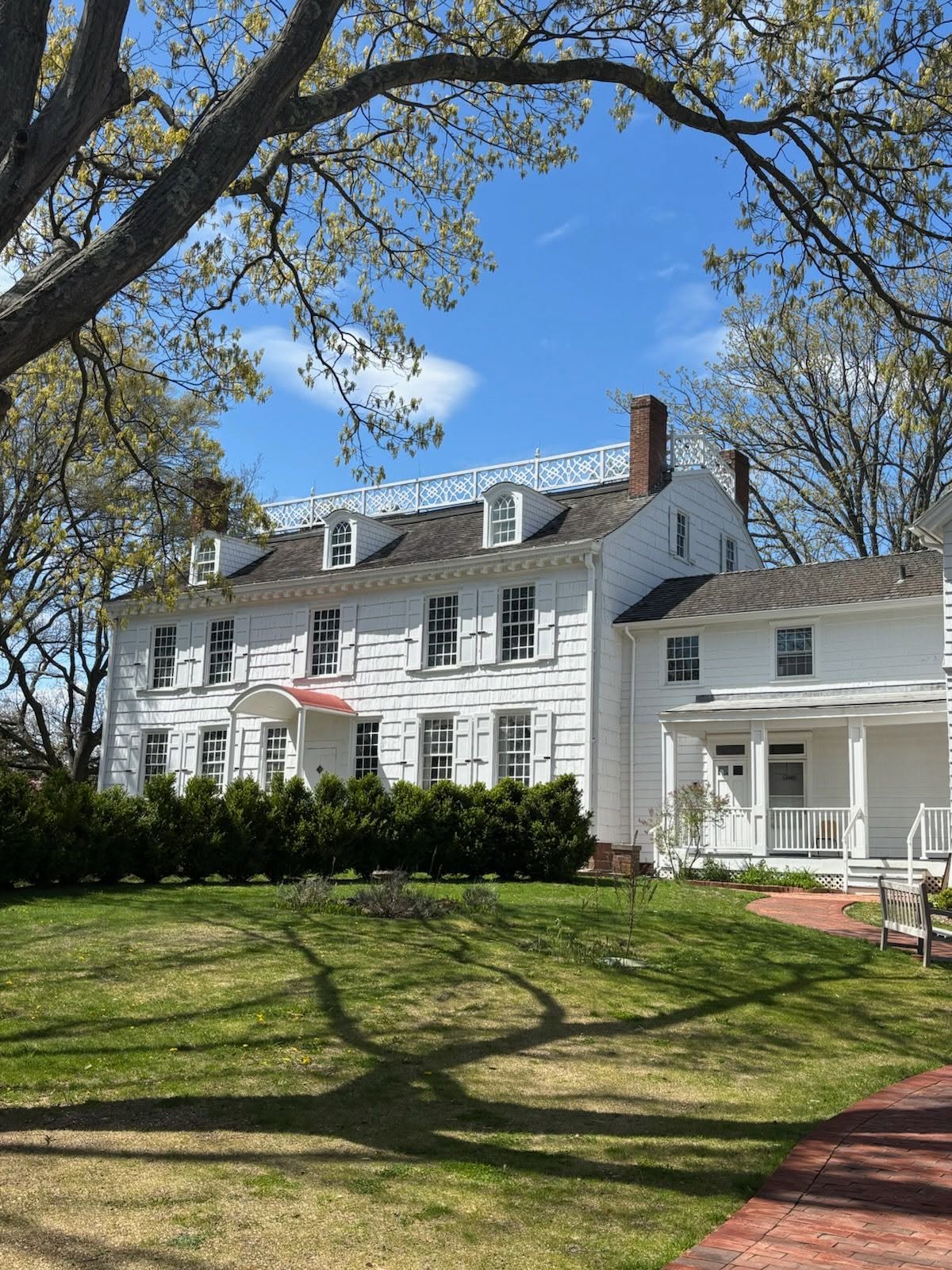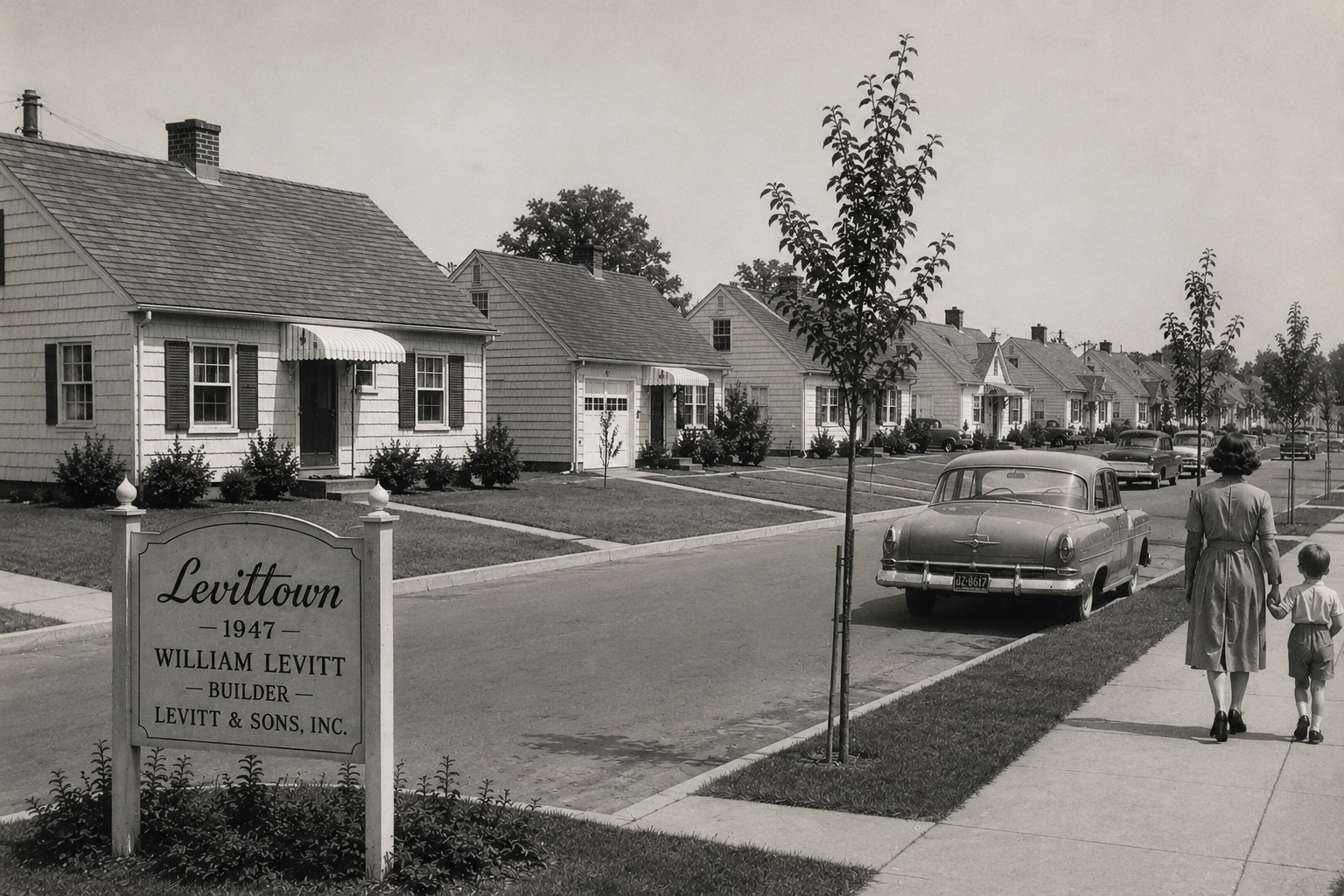
One of the easiest ways to understand Nassau County’s history is simply to walk through it. You see it in centuries-old roads, waterfront villages still following colonial-era street patterns, and in preserved homes, mills, churches, taverns, and farmhouses that survived wars, industrialization, suburban growth, and generations of change.
During the Revolutionary War, Nassau County was occupied territory. Local residents found themselves divided between Patriot and Loyalist loyalties. Spy networks moved information through coastal communities. George Washington traveled through local villages after the war. And towns like Oyster Bay, Roslyn, Hempstead, and Port Washington became part of the larger story of the nation’s founding.
What makes Nassau County especially interesting today is that so much of that history still exists within the modern landscape.
As America celebrates its 250th anniversary, these sites offer a chance to experience the county’s early history in a way that feels tangible rather than distant.
Roslyn: Valley Road Historic District
If there’s a place in Nassau County that immediately feels connected to the past, it’s Roslyn’s Valley Road Historic District. The road curves downhill toward Hempstead Harbor, lined with old homes, stone retaining walls, narrow pathways, and buildings that predate the United States itself. Unlike historic districts that feel overly restored or staged, Valley Road still feels lived in. It’s easy to imagine merchants, mill workers, and travelers moving through the area two centuries ago.
Roslyn developed early because of the harbor and its mills, which made the village an important commercial center during the colonial period. Farmers brought grain to local grist mills. Ships carried goods through Hempstead Harbor. Taverns and shops grew around the activity.
Several structures in and around the district connect directly to that history, including the Roslyn Grist Mill and nearby Hendrick’s Tavern, where George Washington stopped for breakfast during his 1790 tour of Long Island.
Oyster Bay: Raynham Hall
Oyster Bay’s history tends to unfold in layers. There’s maritime history, Roosevelt history, and even the village itself. But one of the most important stories tied to Oyster Bay dates back to the Revolutionary War and the secret intelligence operation known as the Culper Spy Ring.
At the center of that story is Raynham Hall.
Built in the early 1700s, the home belonged to the Townsend family, including Robert Townsend, who operated under the alias “Culper Jr.” while secretly gathering intelligence for George Washington.
During the war, British forces occupied New York City and much of Long Island, making espionage critical to the Patriot cause. Townsend quietly passed information about troop movements and military strategy through a network of couriers and agents operating across Long Island and Connecticut.
The intelligence gathered by the Culper Spy Ring helped Washington monitor British plans and avoid potentially devastating attacks.
Today, Raynham Hall remains one of the clearest physical connections to that hidden history. The museum doesn’t just tell the story of espionage – it also captures the tension and uncertainty of life on occupied Long Island, where loyalty was often complicated and dangerous.
Port Washington: Sands-Willets House
Built in the early eighteenth century, the Sands-Willets House home belonged to the Sands family, who supported the Patriot cause during the Revolutionary War. The house stood through the years of British occupation, when Long Island families faced constant uncertainty about property, supplies, and political allegiance.
Unlike grand estates built later during the Gold Coast era, the Sands-Willets House reflects the practical realities of colonial life.
Today, the house is operated by the Cow Neck Peninsula Historical Society and offers visitors a look at how early Long Island families actually lived. Exhibits focus not only on Revolutionary history, but also on maritime trade, farming, and the everyday routines that shaped colonial communities.
Manhasset: Elderfields Preserve
Tucked into Manhasset, Elderfields Preserve is a preserved farmhouse offering a glimpse into the rural character that once defined much of Long Island before suburban development transformed the region in the twentieth century. The farmhouse dates back to the late 18th century, a period when most of Nassau County consisted of farms, mills, and open land connected by rough roads and coastal trade routes.
Today, Elderfields functions as both a historic site and cultural space, hosting exhibits and community events while preserving one of the few remaining pieces of Long Island’s earlier agricultural landscape.
East Rockaway: Hewlett House
One of the more complicated aspects of Revolutionary War history is that not everyone supported independence. The Hewlett House in East Rockaway helps tell that side of the story.
Built around 1740, the home belonged to the Hewlett family, who were Loyalists during the American Revolution. On Long Island, those divisions often ran deep. Neighbors supported different sides. Families found themselves politically divided. Communities struggled to navigate British occupation while trying to protect homes and livelihoods.
The Hewlett House reflects that tension in a very direct way. Rather than presenting the Revolution as a simple narrative of Patriots versus British forces, the site reveals how complicated everyday life could become during wartime, especially in occupied regions like Long Island.
Roslyn: The Roslyn Grist Mill
The Roslyn Grist Mill has become one of Nassau County’s most recognizable historic landmarks, partly because it still looks so connected to the landscape around it. Positioned along the water near Hempstead Harbor, the mill reflects the role industry and trade played in the growth of early Long Island communities.
Originally built in the 18th century, the mill processed grain for local farmers and merchants, helping support the surrounding economy during both the colonial and post-colonial periods. Like many early Long Island structures, the mill’s location was strategic. Access to the harbor allowed goods to move efficiently between Long Island and New York City, reinforcing Roslyn’s importance as a commercial center.
After extensive restoration work, the mill now serves as an educational and historic site that helps visitors understand how these early industries shaped the development of Nassau County communities.
History That Still Feels Connected
What makes Nassau County’s historic sites interesting isn’t simply their age – it’s how connected they still feel to the present. Many of these places aren’t isolated behind gates or removed from daily life. They exist within active villages and neighborhoods. Historic roads still function as roads. Colonial homes sit beside restaurants and shops. Waterfronts that once supported maritime trade now host parks, marinas, and local businesses.
That continuity is part of what makes exploring Nassau County during America250 especially rewarding. Because the county’s early history isn’t confined to one landmark or museum. It’s spread across villages, harbors, preserved districts, and streets that still carry traces of the communities that existed here centuries ago.
And while Nassau County has changed dramatically since the Revolutionary era, these places continue to offer a direct connection to the people and events that helped shape America’s earliest years.
Discover more historic sites, museums, villages, and America250 experiences at NassauCountyTourism.com.