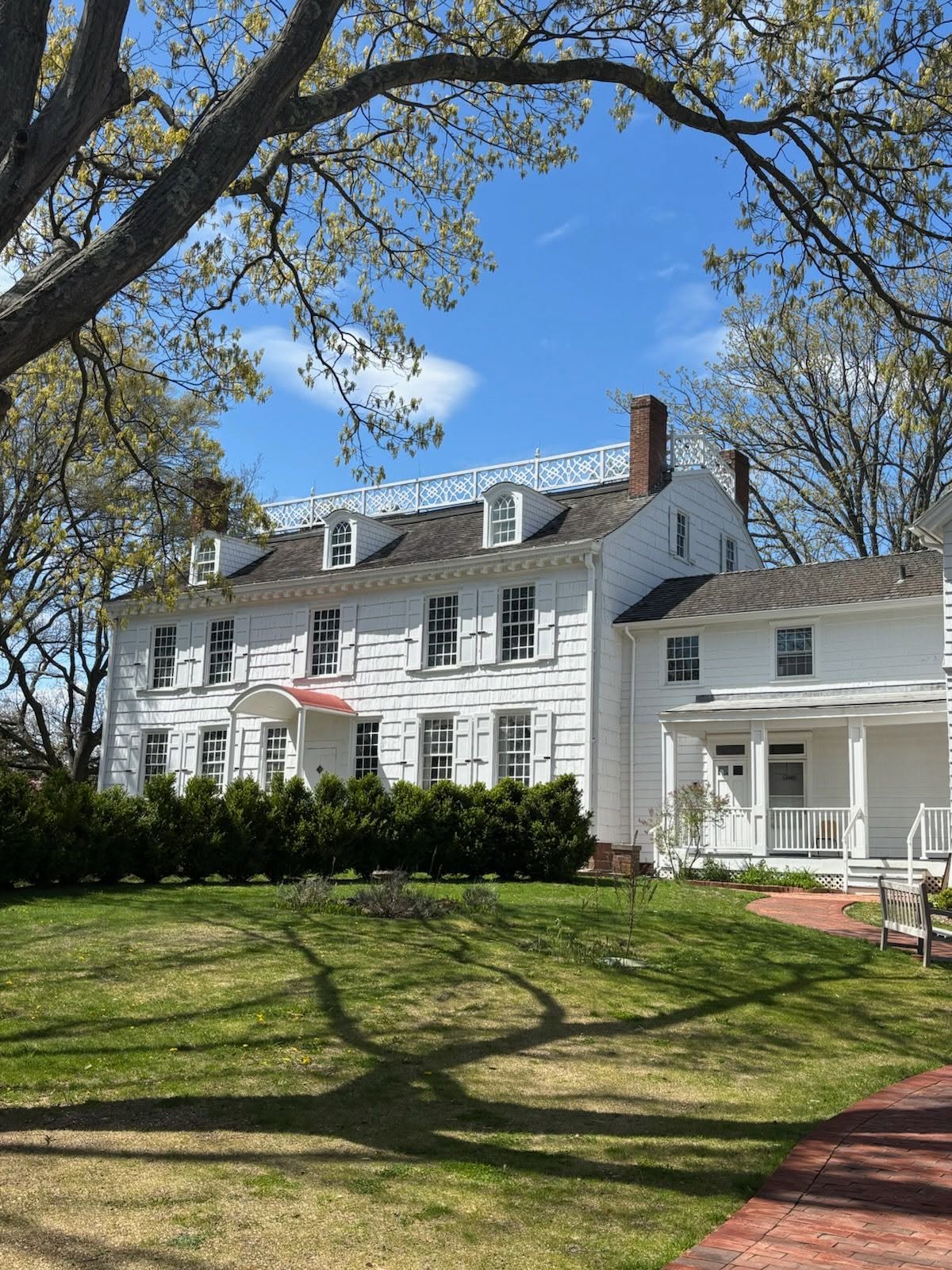
When you look back to the founding of our nation, Nassau County holds a significant place in Revolutionary War history – think espionage, colonial life, and the movements of soon-to-be President George Washington himself.
During the Revolutionary War, Long Island became a strategic focal point. After the Battle of Long Island in 1776, British forces occupied the island for much of the war. Even under occupation, however, the region remained central to Washington’s strategy, thanks in large part to the intelligence gathered by the Culper Spy Ring, a secret network of informants reporting directly to Washington.
Today, visitors exploring Nassau County can still encounter the places and stories connected to this pivotal era in American history. From colonial homes and historic museums to restored taverns and charming villages, these destinations offer a chance to step into the world of the American Revolution.
Here are a few Nassau County locations where the story of George Washington – and the birth of the United States – comes to life.
Raynham Hall Museum | Oyster Bay
If there’s one Nassau County site most closely tied to George Washington’s Revolutionary War intelligence network, it’s Raynham Hall in Oyster Bay.
Built in the early 1700s, the home belonged to the Townsend family, whose members were deeply involved in the Culper Spy Ring, the covert intelligence operation organized by Washington in 1778 to monitor British activity in New York.
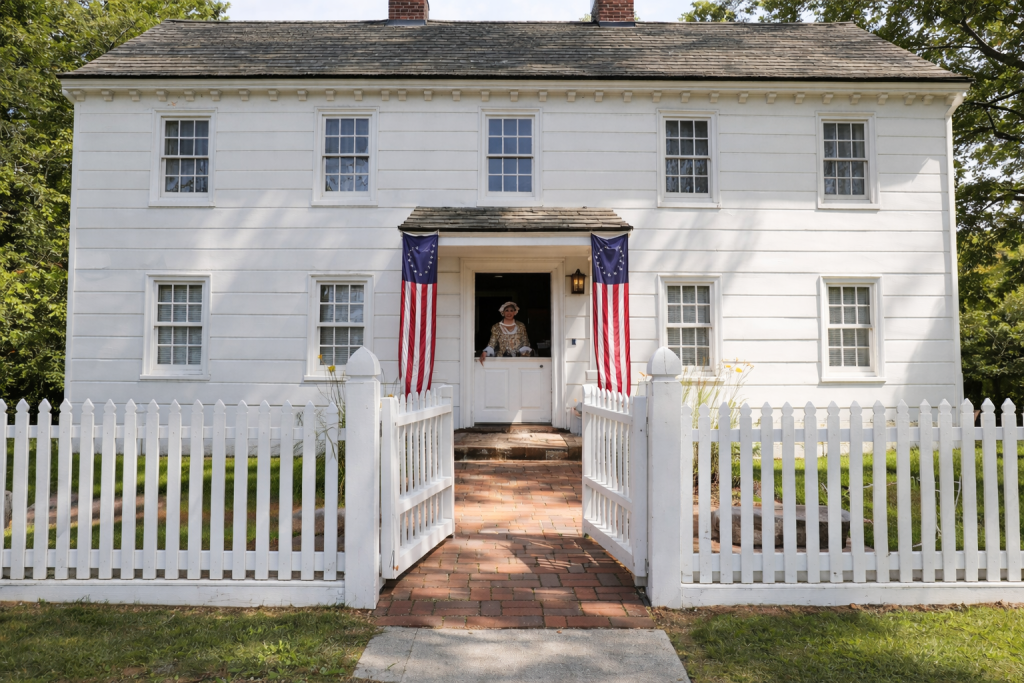
Robert Townsend, known by the code name “Culper Jr.”, secretly reported on British troop movements, supply chains, and military plans. His intelligence proved invaluable to Washington and helped the Continental Army anticipate British strategies.
Washington is believed to have visited the home after the war, making Raynham Hall one of the most compelling Revolutionary-era landmarks in the region. Today, the Raynham Hall Museum offers guided tours, exhibits, and programming that bring the story of espionage and colonial life vividly to life.
Daniel Young’s Homestead | Oyster Bay
During his 1790 presidential tour of Long Island, George Washington spent time in Oyster Bay and is believed to have stayed at the homestead of Daniel Young, a prominent local resident.
Washington’s five-day tour took place in April 1790 while New York City served as the nation’s capital. Traveling east across Long Island, the president visited communities including Hempstead, Oyster Bay, Huntington, Smithtown, and Amityville. The trip allowed Washington to observe the region’s farms and local economy while reconnecting with communities that had played a role in the Revolutionary War.
Young’s home in Oyster Bay served as one of Washington’s stops during the journey. The visit reflects the strong ties between Long Island residents and the early leadership of the new United States, particularly in areas like Oyster Bay where patriot networks and Revolutionary-era activity were deeply rooted.
Sands-Willets House | Port Washington
Dating back to the early 1700s, the Sands-Willets House in Port Washington is one of Nassau County’s oldest surviving homes. The property belonged to the Sands family, prominent residents who supported the American cause during the Revolution. Their home stood during a time when Long Island communities were caught between British occupation and the growing Patriot movement.
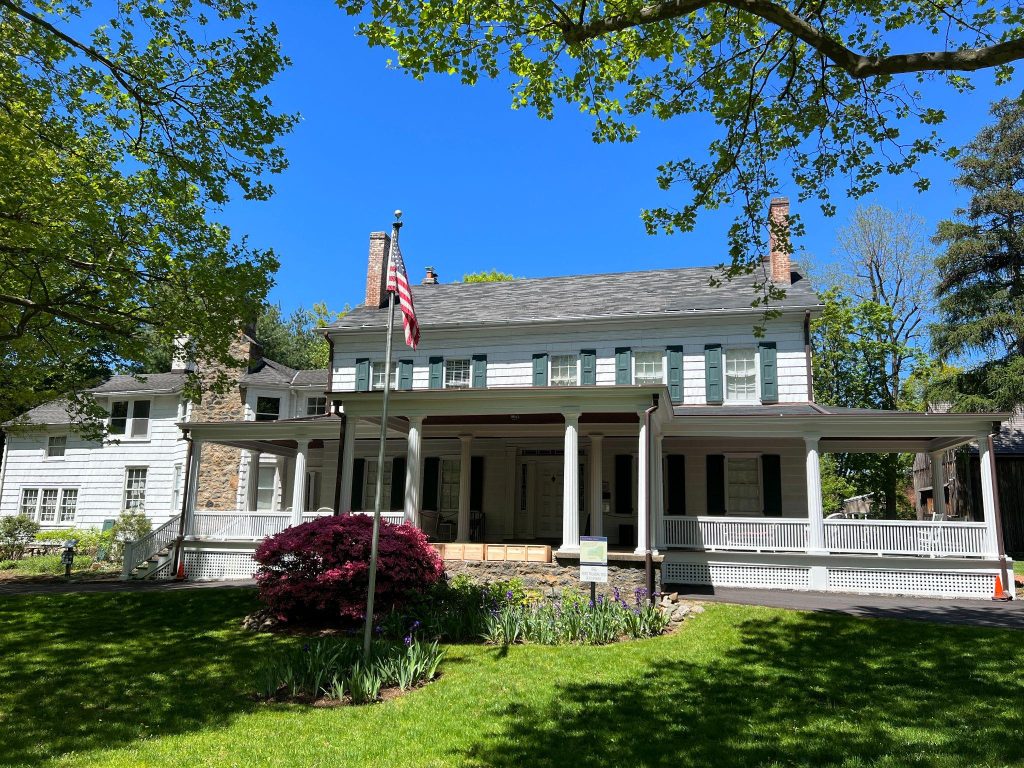
Today, the house is operated by the Cow Neck Peninsula Historical Society and serves as a museum dedicated to preserving the history of the region. Visitors can explore exhibits that highlight colonial life, local maritime history, and the complex realities of Long Island during the Revolutionary War.
Rock Hall Museum | Lawrence
Another glimpse into colonial Long Island can be found at Rock Hall Museum in Lawrence, one of the finest surviving Georgian manor houses in New York State. Built around 1767, Rock Hall reflects the prosperity of Long Island merchants and landowners during the colonial period. During the Revolutionary War, the surrounding region experienced the presence and movement of both British and American forces.
Today, the museum offers tours and educational programs that allow visitors to explore 18th-century architecture, furnishings, and daily life, providing a deeper understanding of the world in which George Washington and the Founding Fathers lived.
Hendrick’s Tavern | Roslyn
Hendrick’s Tavern in Roslyn sits on the site where President George Washington stopped for breakfast during his 1790 tour. On April 24, 1790, Washington arrived in Roslyn from Oyster Bay and began his day with breakfast at the home of Hendrick Onderdonk, whose property stood where the restaurant is located today. At the time, Onderdonk was one of the area’s most prominent residents, owning the Roslyn Grist Mill and the Onderdonk Paper Mill, which was part of a network used to pass messages during the Revolutionary War.
The house, originally known as the Pine-Onderdonk-Bogart House, had already experienced the turbulence of the Revolution – it was raided by British forces in 1781 during the occupation of Long Island. In the early 1900s, the property was converted into a restaurant and has continued serving guests ever since. After a major renovation in 2012, it reopened as Hendrick’s Tavern, blending historic character with modern dining in the heart of Roslyn’s historic district.
Hewlett House | East Rockaway
The Hewlett House, built around 1740, offers another window into the complexities of life during the Revolutionary War. The Hewlett family were Loyalists who supported the British Crown, highlighting the deep divisions that existed within many Long Island communities during the conflict. Families, neighbors, and entire towns often found themselves on opposing sides of the war. Today, the house stands as an important historic site, helping tell the broader story of how the Revolutionary War affected everyday life across Long Island.
Experience Revolutionary History in Nassau County
During the 250th anniversary of the U.S., Nassau County offers visitors the opportunity to explore the places where early American history unfolded. From spy networks and colonial homes to historic villages and waterfront communities, the region’s Revolutionary-era heritage continues to shape its identity today. Whether you’re a history enthusiast, a curious traveler, or a local looking to discover something new, Nassau County’s past is waiting to be explored.
Plan your visit and discover more historic sites, tours, and America250 events at NassauCountyTourism.com.