Nassau County’s past includes a remarkable collection of individuals whose influence reached far beyond Long Island. From Revolutionary War intelligence networks to aviation milestones and conservation movements, these local figures helped shape the nation’s trajectory. We’ve rounded up a few notable individuals whose remarkable achievements were anchored here – and through their bravery, innovation, and industry shaped the last 250 years.
Robert Townsend and the Culper Spy Ring
During the American Revolution, Nassau County played a vital role in the fight for independence. In this period, Oyster Bay resident Robert Townsend became one of the most important members of the Culper Spy Ring, the intelligence network created by General George Washington to gather information on British forces occupying New York.
Operating under the alias “Samuel Culper Jr.,” Townsend used his work as a merchant and journalist to collect intelligence from British-held New York City. Through coded messages and secret couriers, he relayed details about troop movements, military plans, and supply routes back to Washington’s headquarters.
Much of this intelligence passed through Long Island, making communities like Oyster Bay critical to the network’s success. Townsend’s work helped transform espionage into a strategic weapon during the Revolutionary War – a legacy that still resonates today.
The Townsend and Underhill Families
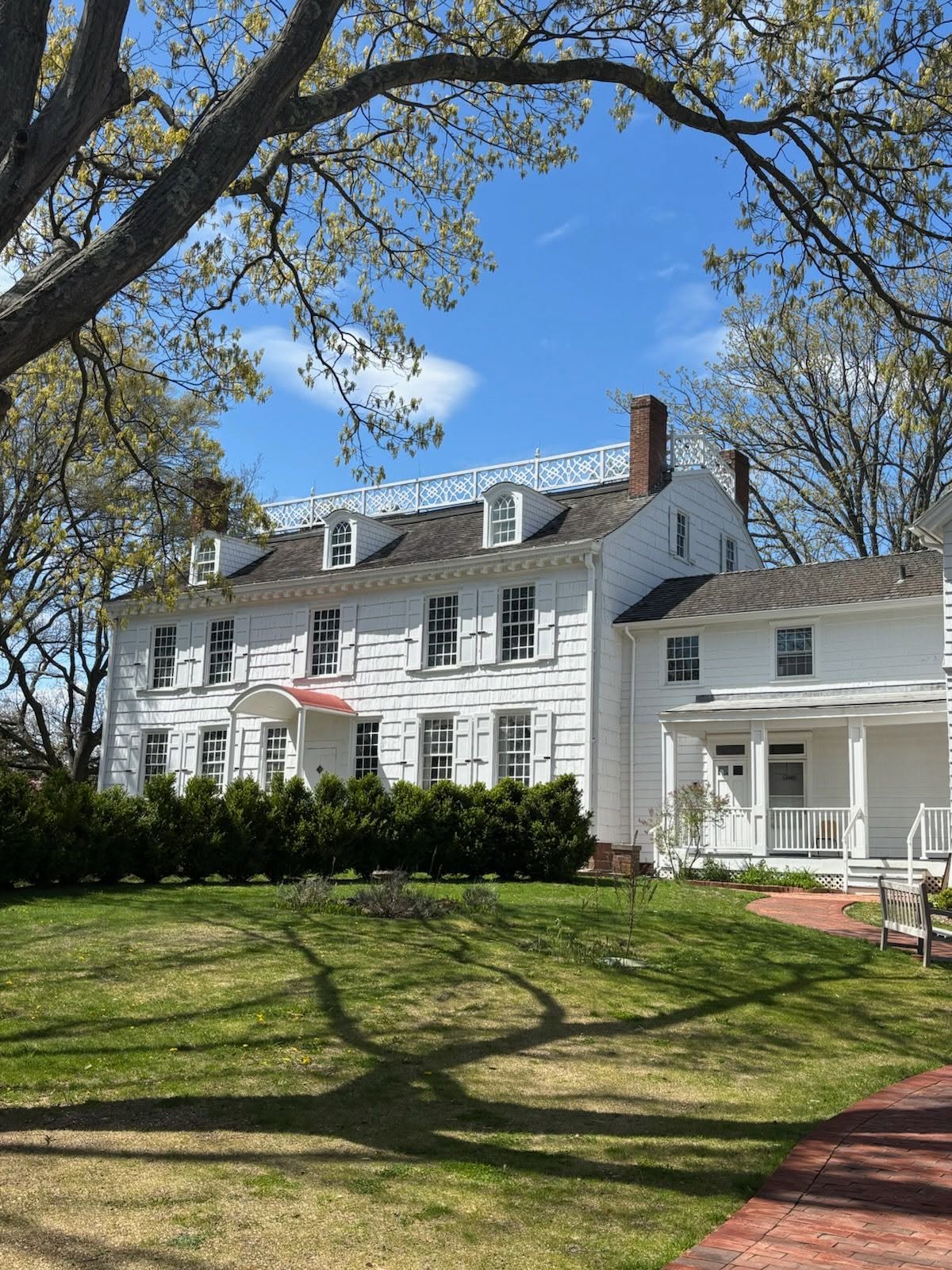
The story of Robert Townsend is part of a larger network of Long Island families who supported the Patriot cause during the Revolution. The Townsend family, whose home at Raynham Hall still stands in Oyster Bay, lived in a region controlled by British forces for much of the war. Their position required extraordinary caution. Public neutrality often masked private resistance.
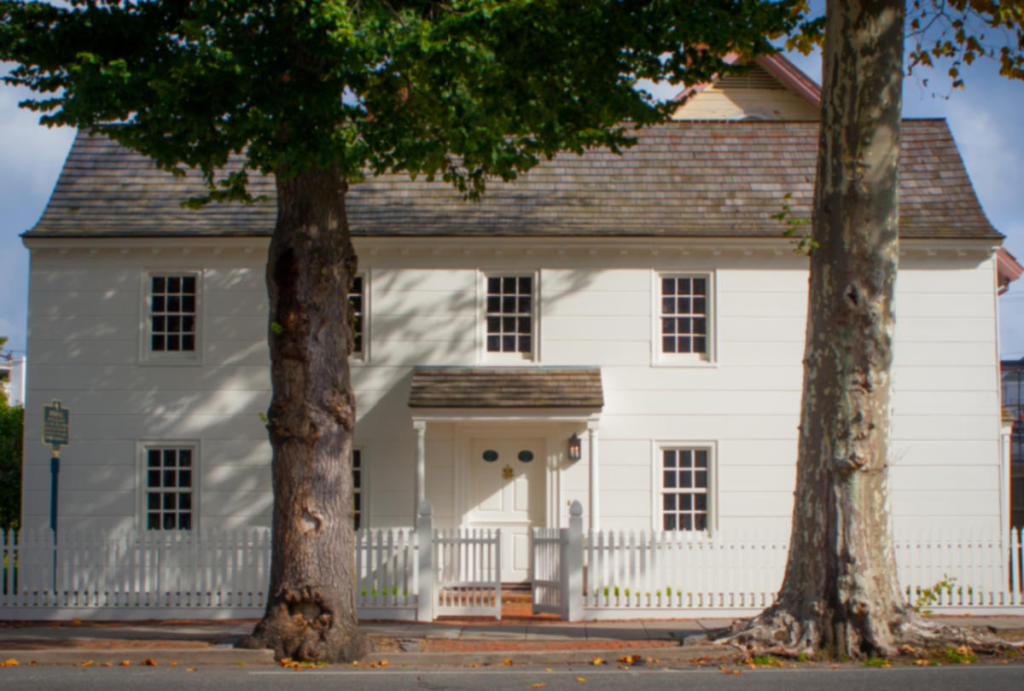
Another important local family, the Underhills, also played a role in the region’s colonial and Revolutionary-era history. Their farms and properties became part of the landscape through which information, goods, and people moved during a time of uncertainty and divided loyalties.
Together, these families represent the quieter side of the Revolution, where resistance took the form of careful decisions, trusted networks, and community ties rather than battlefield heroics.
President Theodore Roosevelt
Few figures are as closely tied to Nassau County as Theodore Roosevelt. From his home at Sagamore Hill in Oyster Bay, Roosevelt shaped national policy while cultivating the ideals that defined his presidency. The property served as his “Summer White House,” where political leaders, foreign dignitaries, and reformers gathered.
But Sagamore Hill was also deeply personal for Roosevelt. The surrounding woods, shoreline, and open spaces influenced his lifelong passion for conservation and his belief in what he called the “strenuous life.” Those ideas helped inspire the expansion of America’s national parks and protected lands.
Roosevelt’s connection to Nassau County reminds us that the North Shore was not only a place of residence for national leaders. It was a place where ideas that shaped the country were formed.
William Cullen Bryant
Another influential voice with roots in Nassau County was William Cullen Bryant, the poet and longtime editor of the New York Evening Post. Bryant’s home, Cedarmere in Roslyn Harbor, became both a literary retreat and a place of civic engagement. From here he wrote poetry, edited one of the nation’s most influential newspapers, and advocated for social reform.
Bryant was also an early champion of environmental preservation and urban green space. His efforts played a role in the creation of Central Park, helping introduce the idea that natural landscapes should be accessible to the public.
Charles Lindbergh
Nassau County also played a key role in one of the most famous moments in aviation history. In 1927, Charles Lindbergh departed from Roosevelt Field on the Hempstead Plains aboard the Spirit of St. Louis, beginning the first nonstop solo flight across the Atlantic Ocean.
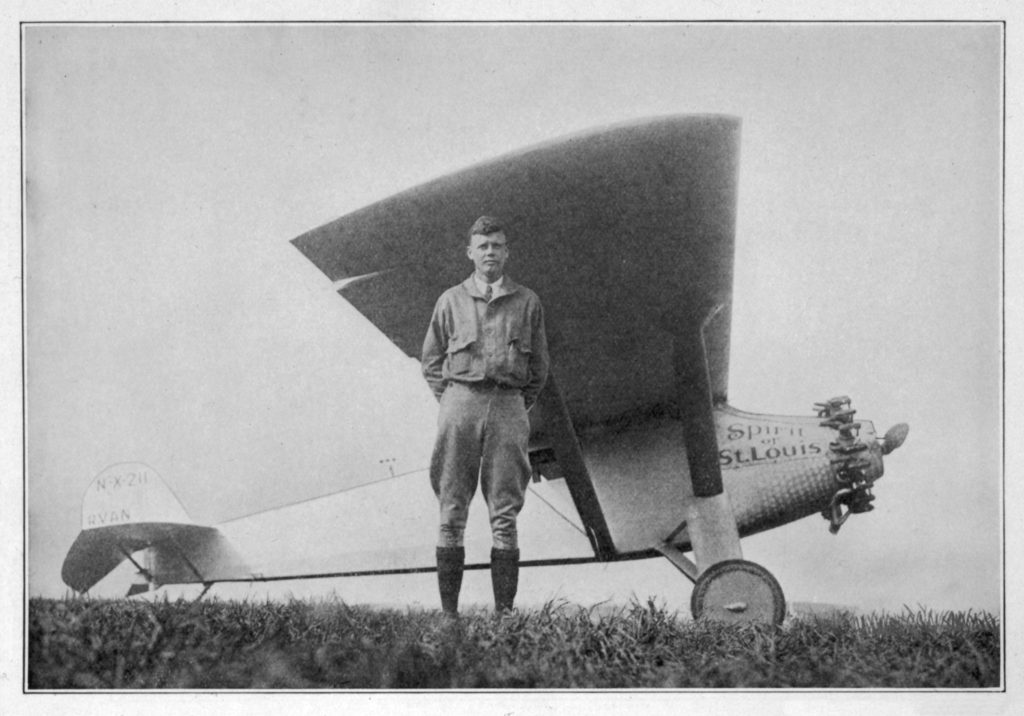
When Lindbergh lifted off from Long Island, he launched a new era of aviation. The flight demonstrated that long-distance air travel was possible and accelerated the development of commercial aviation around the world. Roosevelt Field, then, became one of the most significant launch sites in early flight history. Today, the area is well-known as a go-to shopping and entertainment destination.
Henry Clay Frick
The industrial age also left its mark on Nassau County through figures like Henry Clay Frick. The powerful industrialist and art collector’s 145-acre Roslyn Harbor estate, “Clayton,” is now the Nassau County Museum of Art.
Frick was a central figure in the steel industry that fueled America’s rapid industrial growth in the late 19th century. His wealth and influence helped shape the Gilded Age, a period when Long Island’s Gold Coast became home to many of the nation’s most powerful families.
While Frick is often associated with his famous New York City mansion (now the Frick Collection), his connection to Long Island reflects the broader story of how industrial wealth reshaped the region’s landscape.
A Legacy That Still Shapes Nassau County
Together, these individuals represent different chapters in Nassau County’s history, fro Revolutionary intelligence and patriot networks to political leadership, conservation, literary influence, industrial wealth, and more. Their stories remind us that Nassau County has long been connected to the larger American story – not just as a place where history happened, but as a place where influential people lived, worked, and shaped the future. As the nation prepares to mark America’s 250th anniversary, these local heroes offer a powerful reminder that the forces shaping the country often begin in the communities we call home.
Read more about the history of Nassau County and what’s on tap for Nassau County 250.