History doesn’t always live behind museum doors. In Nassau County, some of the most meaningful connections to the past can be found outdoors, along winding park trails, open fields, and beaches shaped by generations of visitors.
Nassau County parks hold layers of cultural history, from literary inspiration to presidential connections and some of the most ambitious public works projects of the 20th century. Places like Christopher Morley Park, Eisenhower Park, and Jones Beach State Park show how landscapes evolve while still carrying the stories of the people who helped shape them.
Christopher Morley Park: A Literary Legacy in Motion
Located in North Hills, Christopher Morley Park honors one of Long Island’s most beloved writers. Christopher Morley, author of Parnassus on Wheels and longtime columnist for the New York Evening Post, lived nearby in the early 20th century. Known for his wit and love of everyday adventure, Morley was deeply connected to the landscapes around him. The park was named for him and strives to preserve that spirit.
A small hill within the park, once known as “Mount Misery,” was one of Morley’s favorite spots. From its summit he could look out across Long Island and reflect on the changing world around him. Today, visitors hike the same trails, play sports on open fields, and gather in spaces that continue to bring people together.
The park reflects Morley’s belief that ordinary moments like reading a book, walking through the woods, sharing conversation are part of life’s richest experiences.
Eisenhower Park: From Airfield to Public Gathering Place
Eisenhower Park is one of the largest public parks in the region, covering hundreds of acres in the heart of Nassau County. But before it became a destination for golfers, runners, and community festivals, the land had a very different purpose.
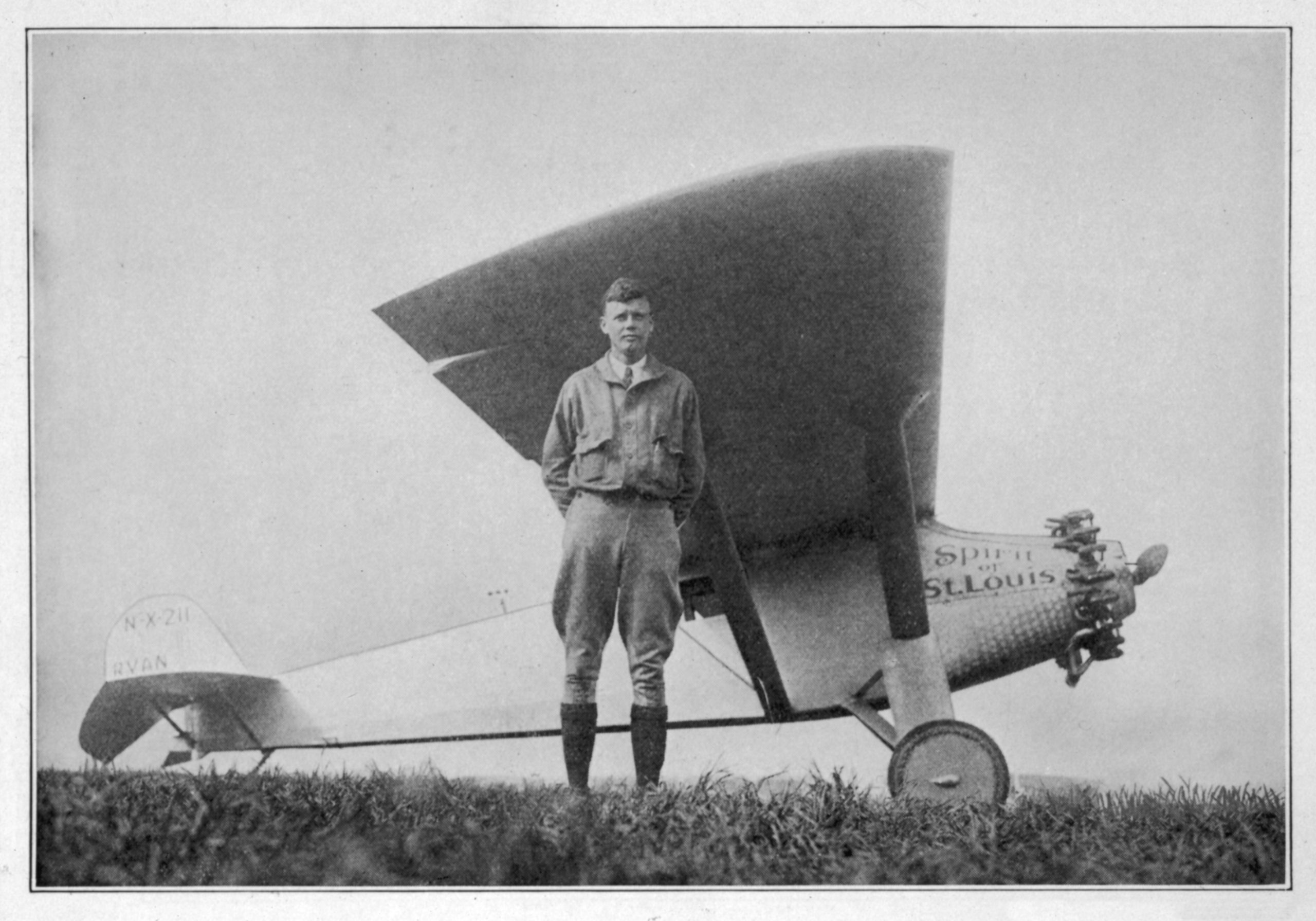
The site was once part of the Mitchel Field air base, a major aviation training and operations center during the early 20th century. During World War I and World War II, the field played a significant role in military aviation and national defense.
After the airfield was decommissioned, Nassau County transformed the land into a public park, where wide runways and open training grounds evolved into green spaces for recreation.
Today, Eisenhower Park hosts concerts, sporting events, and cultural celebrations. Beneath the soccer fields and walking paths lies a landscape shaped by aviation history and the broader story of America’s growth during the 20th century.
Jones Beach State Park: A Vision for Public Access
Few places capture the ambition of early 20th-century public planning like Jones Beach State Park. Developed in the 1920s under the leadership of Robert Moses, Jones Beach transformed a remote barrier island into one of the most iconic public beaches in the United States. The project included not only the beach itself but also parkways, bridges, and architectural elements designed to create a cohesive visitor experience.
Jones Beach represented a new idea in American life: that access to nature and recreation should be available to everyone, not just those who owned private shoreline estates.
The Art Deco bathhouses, boardwalk, and sweeping Atlantic views quickly made the beach a regional landmark. Generations of families have spent summers here swimming, walking the boardwalk, and watching the sun set over the ocean.
While the park is famous for its size and beauty, its deeper legacy lies in how it redefined public space, turning an isolated coastal landscape into a shared destination for millions.
Parks That Connect Past and Present
As Nassau County prepares to commemorate America’s 250th anniversary, these parks remind us that history isn’t only found in historic homes or monuments. Sometimes it lives in the places where people walk, gather, play, and reflect. The landscapes we enjoy today are part of a much longer story that continues to unfold every time someone steps onto a trail, a field, or a stretch of sand along the Atlantic.
Read more about Nassau County’s history and how the County helped shape America’s history.